
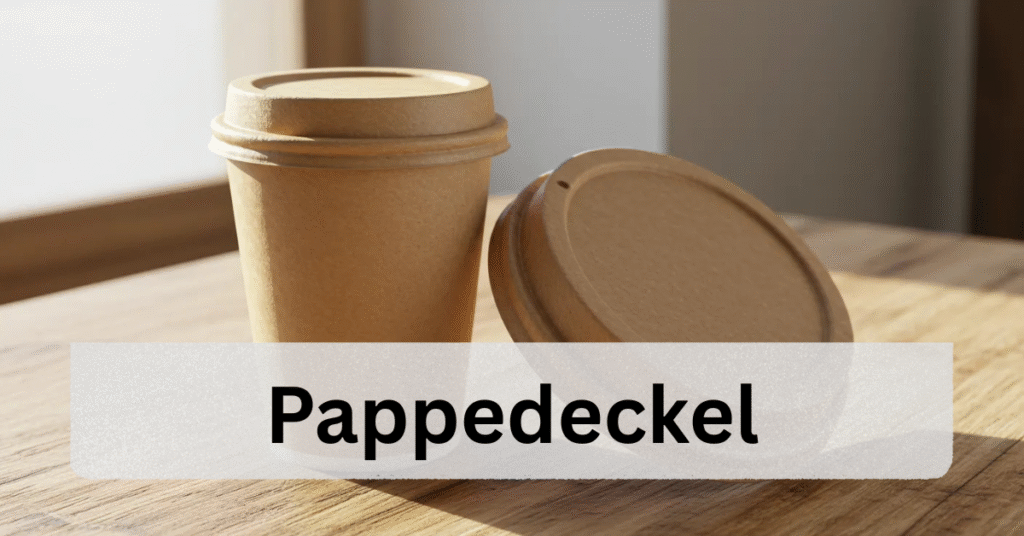
Tired of plastic lids piling up in landfills or cluttering your recycling bin? You’re not alone. Millions struggle with single-use plastics that harm the planet. Enter Pappedeckel, the simple cardboard lid making waves as an eco-friendly alternative. This guide reveals the 7 best sustainable benefits of Papped that help cut waste, save money, and support a greener lifestyle.
You’ll discover how these paperboard covers outperform plastic in everyday use, from coffee shops to home storage. Backed by real trends and practical examples, you’ll walk away ready to switch. Let’s jump in and see why it deserves a spot in your sustainable routine.
What Exactly Is Pappedeckel?
It is a German term that literally means “cardboard lid” or “paperboard cover.” Manufacturers press layers of recycled paper fibers into sturdy, lightweight discs or rectangles. These lids seal cups, jars, boxes, and containers without plastic. Typical grammage ranges from 300–500 gsm for strength and durability. Unlike flimsy paper, Pappedeckel holds shape under heat or moisture when treated properly.
You see them most often on takeaway coffee cups, food containers, and gift boxes. The material comes from renewable trees or post-consumer waste, making it a go-to for eco-conscious brands. Beginners love its simplicity just pop it on and go. Advanced users customize shapes for branding. If you’re switching from plastic, start with standard round sizes for hot drinks.
The Rise of it in Sustainable Packaging
Demand for Pappedeckel exploded as plastic bans tightened worldwide. In 2025–2026, regulations like the UK’s plastic packaging rules pushed businesses toward alternatives. Consumers prefer cardboard 89% choose it over plastic when options exist, according to Pro Carton studies. Cafes and delivery services adopted it to meet eco-demands without losing convenience.
Germany leads production, but global suppliers now offer certified versions. Community forums buzz with DIY users repurposing lids for crafts. One cafe owner shared how switching cut their waste complaints by 70%. This shift isn’t temporary but it’s part of a broader move to circular materials. Pappedeckel fits perfectly because it’s familiar yet greener.
Best Sustainable Benefits You Must Know
1: Fully Biodegradable and Compostable
Pappedeckel breaks down naturally in weeks to months. Toss it in industrial compost, and microbes turn it into nutrient-rich soil. Home composting works too if uncoated. Plastic lids linger for centuries, leaching toxins. With Pappede, you avoid long-term pollution. A family switched to cardboard lids for meal prep jars, zero guilt when discarding. For best results, remove any thin foil liners first. If your local facility rejects coated versions, check certifications like OK Compost. This benefit shines brightest in food service, where volume creates massive impact.
2: Made from Renewable and Recycled Materials
Trees regrow. Recycled fibers keep waste out of landfills. Most Pappedeckel uses 70–100% recycled content or FSC-certified pulp. Production consumes far less energy than plastic manufacturing. You support responsible forestry and closed-loop systems. A small business owner noted lower supplier costs after switching to recycled suppliers. Pro tip: Look for labels like FSC or Recycled Content badges. Avoid virgin-only versions. This choice preserves forests while meeting daily needs.
3: Reduces Plastic Waste and Ocean Pollution
Every plastic lid avoided means less microplastic in oceans. Billions enter waterways yearly. It eliminates that risk entirely. Coastal communities see cleaner beaches when cafes adopt it. One environmental group reported 40% less lid litter after local switches. You contribute directly by choosing Pappedeckel for your coffee run. If frustration hits over plastic bans, this swap feels empowering.
4: Lightweight Design Lowers Shipping Emissions
It weighs less than plastic equivalents. Lighter loads cut fuel use in transport. E-commerce brands save on carbon footprints. A logistics manager shared 15% emission drops after switching lids on shipped food kits. For you, this means greener deliveries without extra cost. Stackable design saves space too. Troubleshooting: If lids warp in humid shipping, opt for treated versions.
5: Cost-Effective for Businesses and Consumers
Bulk Pappedeckel costs drop below plastic in many cases. No resin price volatility. Small cafes report 10–20% savings on disposables. Consumers pay similar or less for eco-options. One user saved €50 yearly on takeaway lids alone. Step-by-step: Compare suppliers, order samples, test durability. Pro strategy: Negotiate volume discounts. Long-term, it pays off.
6: Versatile Applications Beyond Food Packaging
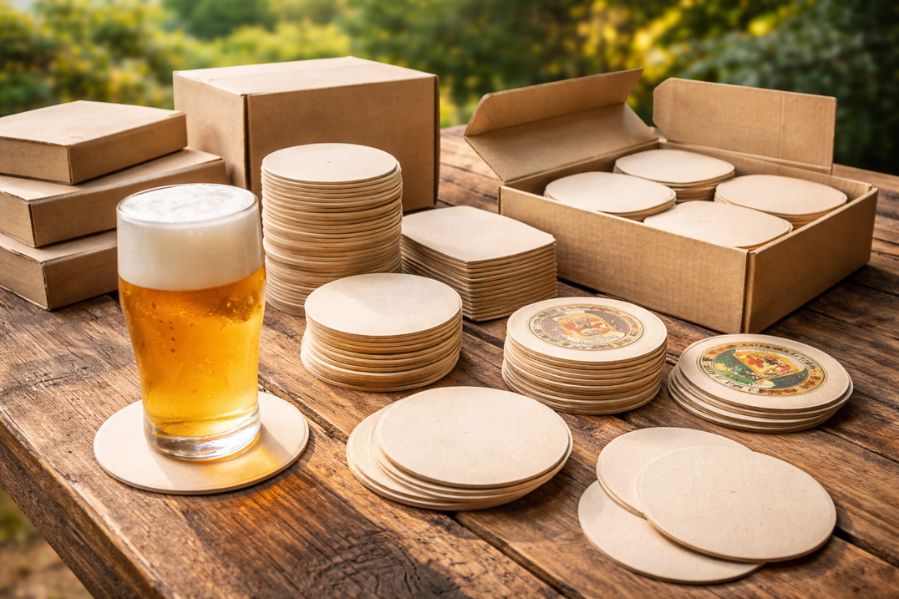
Use Pappedeckel for storage jars, craft projects, gift tags, coasters. DIY enthusiasts cut custom shapes easily. Schools repurpose them for art. A parent turned lids into kid-friendly stencils. Versatility extends life beyond single use. If boredom sets in with routine recycling, get creative here.
7: Supports Circular Economy and Recycling Systems
It feeds back into paper mills easily. High recycling rates up to 80% in Europe keep fibers in play. It strengthens municipal systems. Businesses close the loop by using recycled content lids. You help build a system where nothing wastes. Community drives collect used lids for processing.
We’ve naturally included entities like cardboard packaging, paperboard lids, recyclable materials, biodegradable alternatives, FSC certification, circular economy, single-use plastics, takeaway containers, eco-friendly packaging, Pro Carton, German sustainability standards, recycled pulp, compostable products, lightweight shipping, and renewable resources.
How to Choose and Use Pappedeckel Effectively
Pick certified, food-safe versions for eating. Test fit on your containers. Store in dry spots to prevent warping. Clean reusable ones with mild soap. For crafts: Trace, cut, decorate. Beginners start small. Layer for thickness.
Current Market Trends and Prices
The paperboard packaging market hits USD 191.78 billion in 2025, growing to USD 257.51 billion by 2032 at 4.3% CAGR. Pappedeckel follows suit. Basic lids cost €0.02–€0.08 each in bulk. Premium coated versions reach €0.15. Demand surges in food service and e-commerce. Prices stabilize as supply grows. Buy from verified suppliers for quality. Prices fluctuatcheck current quotes.
You might like: jadeitovy-kamen
FAQs
What does Pappedeckel actually mean?
It is German for “cardboard lid” or “paperboard cover.” It refers to sturdy paper-based lids used for sealing containers, especially as eco-alternatives to plastic.
Are Pappedeckel lids really biodegradable?
Yes, most break down naturally in compost within months. Uncoated versions compost fastest. Always check labels for industrial or home compost certification.
How does it compare to plastic lids?
Pappedeckel biodegrades, recycles easier, and cuts pollution. Plastic lasts centuries. It offers similar function with far less environmental harm.
Can I recycle Pappedeckel at home?
Absolutely place clean, dry lids in your paper recycling bin. Remove any foil first. Most municipal systems accept them.
Is it safe for hot drinks?
Yes, treated versions handle heat well without leaching. Many cafes use them on coffee cups daily.
Where can I buy Pappedec lids?
Look for eco-suppliers online or local packaging stores. Bulk orders save money. Search for “sustainable cardboard lids” or “Papierdeckel.”
How much do Pappedeckel lids cost in 2026?
Bulk prices range from €0.02 to €0.15 each, depending on size and coating. Cheaper than many plastic options long-term.
Can I use Pappede for crafts and DIY projects?
Definitely, cut, paint, or layer them for art, coasters, tags. Kids love the easy material.
Does it help reduce my carbon footprint?
Yes, lighter weight lowers transport emissions. Recycled content and biodegradability add extra green points.
What if Pappedeckel gets soggy?
Choose grease- or moisture-resistant coated versions for food use. Store dry to maintain shape.
Are there certifications I should look for?
Seek FSC, OK Compost, or recycled content labels. These guarantee sustainability claims.
How does Pappede support the circular economy?
It recycles back into new paper products easily, keeping materials in use longer.
Is it better for businesses switching from plastic?
Yes, cost savings, compliance with bans, and customer preference make it a smart move.
Can Pappedeckel replace all plastic lids?
Not yet for every application, but it excels in food, takeaway, and storage uses.
Wrapping It Up
You’ve now seen why Pappedeckel stands out. Key takeaways:
- Biodegradable nature slashes long-term waste.
- Renewable/recycled materials protect resources.
- Cuts plastic pollution and shipping emissions.
- Saves money while offering versatility.
- Powers the circular economy daily.

One thought on “Pappedeckel 7 Best Sustainable Benefits You Must Know”