

Have you ever wondered how a small family operation turns into a thriving success story? David Borhaz shows us exactly that. This Hungarian winery in Egerszalók captures visionary success through passion and smart choices. You’ll discover five key steps that propelled Dávid Borház winery Hungary forward. These aren’t just theories. They come from real experiences in the Eger wine region. By the end, you’ll see how to apply them in your own pursuits. Let’s explore what makes it a standout example.
Steps for Visionary Success Now
1: Root Your Vision in Rich Heritage
Start with what came before you. David Borhaz draws from centuries of winemaking in the Eger region. The area traces back to the 10th century when King Stephen founded the Diocese of Eger. Monks planted vines here. They stored wine in vast cellars under the city.
French settlers arrived after the 13th-century Mongolian invasion. They brought advanced techniques like barrel use. This boosted local production. By the 16th century, wine drove Eger’s economy. Even during Ottoman rule, the tradition held strong.
It began in 2000 as Egerszalóki Varga Borbarát Pincészet. It first branded bottles as István Borház. The founder’s son, Dávid, joined later. This led to the rebrand as Dávid Borház Egerszalók. Family ties run deep here. They honor past methods while building ahead.
Consider your own start. What traditions can you build on? For Borhaz, heritage means using local soils rich in volcanic tuff. These give wines unique minerality. Reds like Egri Bikavér gain depth from this. Whites show crisp acidity.
Visit Egerszalók to feel it. The village sits 5 km from Eger. It’s known for thermal springs. Pair a winery tour with a spa day. You’ll see how history shapes success. As one visitor shared, “The cellars feel timeless.” That’s the power of roots.
2: Prioritize Quality in Every Detail
Quality beats quantity every time. David Borhaz shifted focus in 2011. Before, they emphasized high yields for contracts. They sold few bottles from the cellar. Now, they own 30 hectares of vineyards. They source from another 30 nearby.
This change paid off. Wines ferment naturally without added yeasts. The process is slow and traditional. Egerszalók’s cool cellars help. Reds become concentrated and full-bodied. Whites gain mineral notes and structure.
Take their Cabernet Sauvignon or Merlot. These age in wooden barrels. Barrique for top lots adds complexity. Prices reflect this care. A bottle of Stephanus might cost around $25 in 2026 markets. That’s value for premium taste.
You can apply this step too. Focus on details in your work. For winemakers, it means hand-picking grapes. Avoid shortcuts. David proves it. Their selections win awards, like gold for DQ 2011 at Bayer competitions.
In Egerszalók, quality extends to experiences. The winery offers tastings from €17. You sample big reds and rarities. Pair with local dishes. One pro tip: Book ahead during harvest season. Crowds grow then.
Trouble with wine choices? Start with Kékfrankos. It’s versatile and shows the region’s strength. It excels here. Quality draws repeat visitors. That’s visionary success in action.
Step 3: Harmonize Innovation with Nature
Blend new ideas with what nature provides. David Borhaz does this well. They plant whites like Olaszrizling and Sauvignon Blanc in ideal spots. These thrive in the area’s climate. Mild summers and mineral-rich soils help.
Innovation shows in their cuvées. Öreghegy Cuvée mixes Cabernet Sauvignon and Merlot. It earns high Vivino ratings. Around 3.8 stars often. They avoid forced methods. Natural fermentation lets flavors develop slowly.
The Eger region supports this. Volcanic soils from ancient eruptions add uniqueness. Limestone cellars maintain steady temperatures. No need for artificial controls.
You might face challenges like variable weather. It adapts by sourcing locally. This ensures consistent quality. In 2026, climate trends favor Hungary’s northern regions. Warmer seasons extend ripening.
Explore nearby attractions for balance. Egerszalók’s Salt Hill is a must-see. This natural limestone formation looks like terraced pools. Steam rises from hot springs. It’s a short walk from the winery.
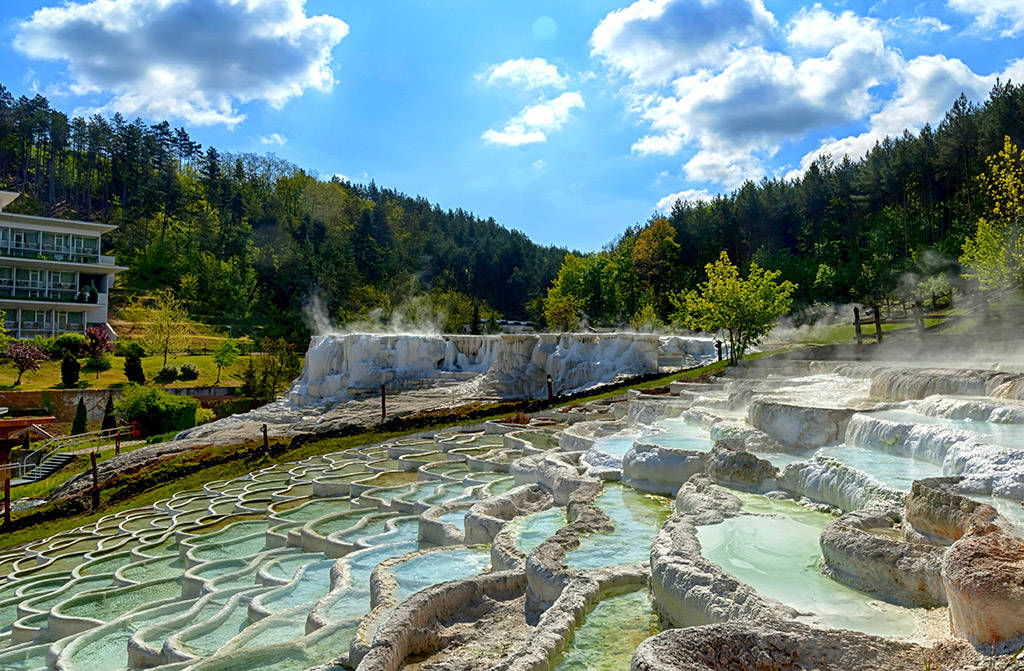
Combine a hike there with a tasting. Feel nature’s role firsthand. Borhaz integrates this harmony. It sets them apart in Dávid Borház history Egerszalók.
4: Build Meaningful Community Connections
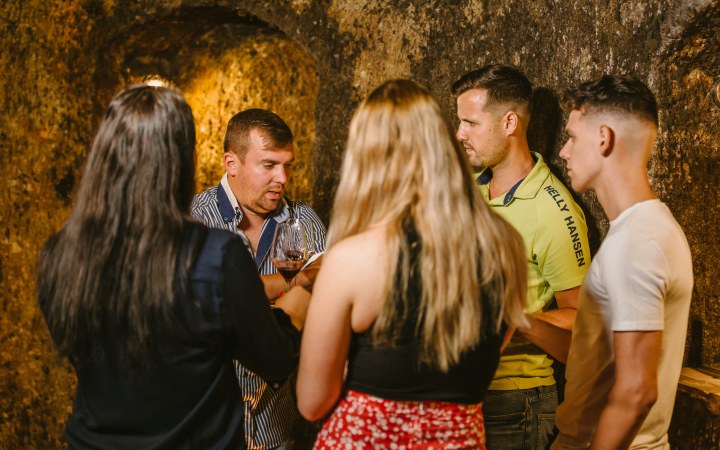
Success grows with others. David Borhaz fosters ties through their restaurant and events. The spot in Egerszalók welcomes groups. They host tastings in cellars carved from tuff stone.
Family runs it all. This creates warmth. Visitors feel included. On Instagram, @davidborhaz shares updates. Like pop-up tastings in Budapest. They join festivals too.
In the Eger wine region, community means sharing knowledge. Wineries collaborate on promotions. It benefits from this. Their wines reach wider audiences.
You can build connections similarly. Network at local events. For tourists, join a guided tour. Learn about Dávid Borház Egerszalók directly from staff.
Common pain point: Overcrowded spots. Borhaz avoids this with bookings. Small groups ensure personal attention. Pro strategy: Pair wines with Hungarian cuisine. Try goulash with a robust red.
The village boosts this. Saliris Resort offers spa treatments nearby. Relax after tastings. Community here includes locals and travelers. David strengthens these bonds for lasting impact.
5: Plan Strategically for Future Growth
Look ahead always. David Borhaz plans more red wine focus. Varieties like Kékfrankos lead the way. They expand whites too. Chardonnay and Rajnai Rizling show promise.
Since rebranding, growth is steady. They sell more bottles now. Exports rise in 2026. Markets in Europe and beyond seek Hungarian gems.
Strategic moves include barrel aging. This enhances flavors over time. They invest in vineyards for sustainability.
You should plan too. Set goals like visiting Dávid Borház winery Hungary. Book via their site. Current trends favor eco-tourism. It aligns with this.
Address frustrations like travel costs. Flights to Budapest are affordable. Then drive 90 minutes to Egerszalók. Stay at local hotels.
Future for the region looks bright. Wine tourism booms. Borhaz leads with vision. Follow their steps for your success.
FAQs
What is David Borhaz known for?
Borhaz specializes in premium Hungarian wines. They produce reds like Cabernet Franc and whites with mineral notes. Family-owned in Egerszalók, they emphasize natural methods.
Where is it located?
It’s in Egerszalók, Heves County, Northern Hungary. Just 5 km from Eger. The address is easy to find via their website.
What is the history of Dávid Borház Egerszalók?
Founded in 2000, it rebranded to honor the son Dávid. They shifted to quality focus in 2011. Now, 30 hectares of vineyards support their growth.
What wines does it produce?
Reds include Merlot, Kékfrankos, and cuvées. Whites feature Sauvignon Blanc and Olaszrizling. Selections age in barrels for depth.
How much do Dávid Borház wines cost in 2026?
Prices start around $20 for entry-level bottles. Premium selections reach $30 or more, depending on vintage and type.
Can I visit Borház for tastings?
Yes, they offer tastings from €17. Book ahead. Enjoy in their cellar with food pairings.
What attractions are near Dávid in Egerszalók?
See the Salt Hill and thermal baths. Saliris Resort provides spa experiences. Eger’s castle is a short drive away.
Is Dávid family-friendly?
Absolutely. They welcome groups. Kids can explore the grounds while adults taste wines.
How does David Borhaz ensure quality?
Through natural fermentation and local sourcing. No added yeasts. Traditional methods in cool cellars.
What makes Eger wine region special?
Its history dates to the 11th century. Volcanic soils give unique flavors. Famous for Egri Bikavér.
Are there restaurants at Dávid Borház?
Yes, their on-site restaurant serves Hungarian dishes. It pairs perfectly with their wines.
How to get to Borház from Budapest?
Drive 90 minutes east. Or take a train to Eger, then a short taxi to Egerszalók.
What awards has Dávid Borház won?
Gold for DQ 2011 and silver for Stephanus 2011 at Bayer competitions. High Vivino ratings too.
Is Dávid sustainable?
They focus on natural practices. Local sourcing reduces impact. Future plans emphasize eco-friendly growth.
Why visit Dávid Borház in 2026?
Tourism trends favor authentic experiences. Their visionary approach offers unique insights into Hungarian wine culture.
Conclusion
David Borhaz teaches us visionary success through five steps. Root in heritage. Prioritize quality. Harmonize with nature. Build connections. Plan ahead. These transformed a small winery into a gem.
Key takeaways:
- Embrace Eger’s thousand-year history for foundation.
- Shift to quality for lasting appeal.
- Innovate naturally for unique flavors.
- Connect with community for growth.
- Strategize for future wins.
Ready to experience it? Visit Dávid Borház Egerszalók soon. Book a tasting today. You’ll leave inspired. For more, check our more guides at imagazine4u. Start your journey now.

One thought on “David Borhaz 5 Powerful Steps for Visionary Success Now”