
Ever wondered why that creamy sesame paste shows up in so many dishes? Tahhiini packs a punch with its nutty flavor and smooth texture. You might know it from hummus, but it offers way more. This guide breaks down everything you need about tahhiini benefits and uses. You’ll discover its nutritional power, health perks, and fresh ways to add it to your meals. Stick around, and you’ll walk away with practical tips to make it a staple in your kitchen. Ready to explore?
It comes from ground sesame seeds, a key player in Middle Eastern cuisine. People use it in everything from dips to dressings. But its real strength lies in the nutrients it delivers. Think healthy fats, protein, and minerals that support your body daily. In this post, we’ll cover the top 10 benefits backed by science. Plus, you’ll get 10 versatile uses with easy recipes. Whether you’re new to tahhiini or a fan, this guide gives you actionable ideas. Let’s jump in and see how it can boost your wellness and cooking game.
What Is Tahhiini?
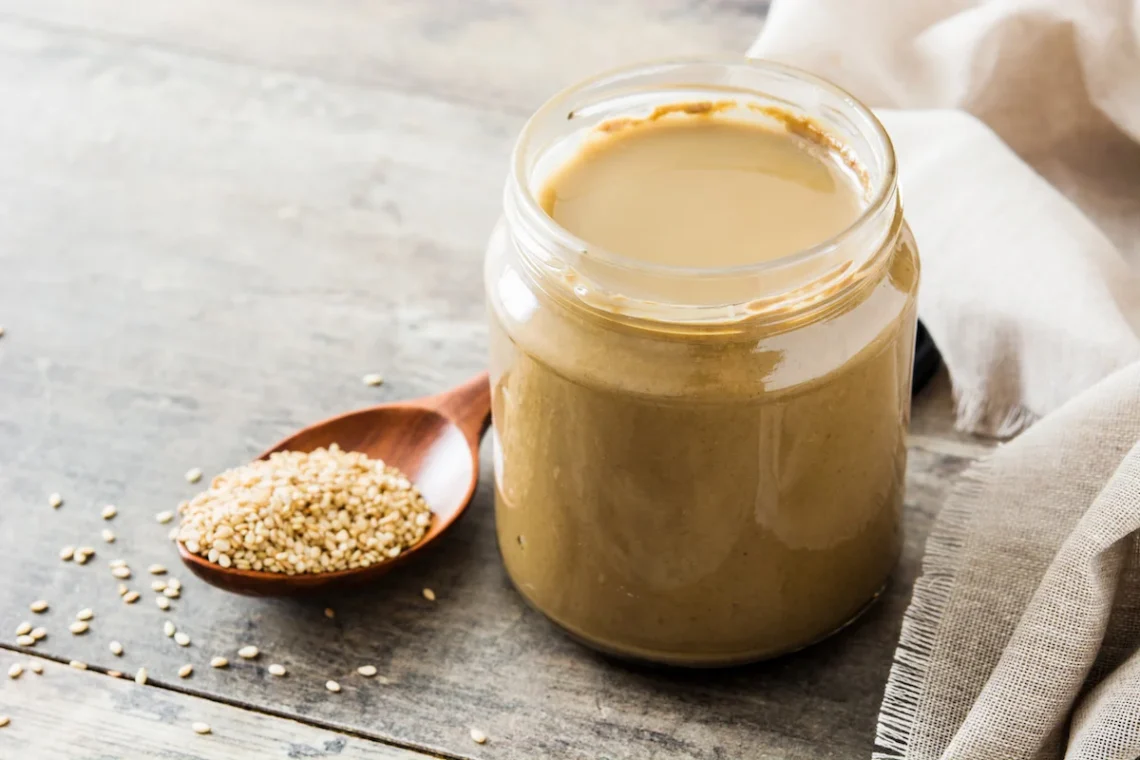
It starts with sesame seeds. You toast them lightly, then grind them into a paste. That’s it, no fancy additives needed. This simple process creates a versatile ingredient used across cultures. In Middle Eastern kitchens, it forms the base for hummus and baba ganoush. Chefs prize its creamy consistency and subtle bitterness that balances sweet or savory flavors.
You’ve probably seen tahhiini in stores as a thick, beige spread. It separates like natural peanut butter, with oil on top. Stir it well before use. Quality tahiini tastes nutty and fresh, not bitter or rancid. Brands like Joyva or Soom offer reliable options, often priced around $8 to $12 per jar in 2026 markets. Check labels for 100% sesame to avoid fillers.
It fits into vegan and gluten-free diets easily. It adds depth to plant-based meals. For example, mix it into falafel batter for extra richness. Or use it in halva, a sweet treat with honey and nuts. These examples show tahhiini’s range. As trends shift toward nutrient-dense foods, it gains popularity. Sales rose 15% last year, per industry reports. You can find it in most grocery stores now, not just specialty sections.
Curious about its origins? Sesame seeds trace back to ancient Babylon. Traders spread them along the Silk Road. Today, Ethiopia and India lead production. This history adds to tahhiini’s appeal as a time-tested food. Try making your own at home. Blend toasted seeds in a food processor until smooth. It takes minutes and lets you control the texture.
Nutritional Profile of Tahhiini
It delivers impressive nutrition in small servings. One tablespoon gives you 89 calories, mostly from healthy fats. You get 8 grams of fat, including monounsaturated types that support heart health. Protein comes in at 3 grams, making it a solid plant-based option. Carbs stay low at 3 grams, with 1.4 grams of fiber for digestion.
Minerals shine here. Copper hits 27% of your daily value, aiding iron absorption and immune function. Selenium provides 9%, acting as an antioxidant. Phosphorus supports bones at 11%. You also get iron, calcium, and manganese. Vitamins include B1, B2, B3, and B6 for energy metabolism.
Compare it to peanut butter: Tahhiini has more copper and selenium but similar calories. Its lignans, like sesamin and sesamol, offer unique benefits. These compounds fight inflammation. A 2026 study shows sesame products reduce oxidative stress markers by 20% in regular users.
Incorporate tahhini mindfully. Its calorie density means portions matter. But the nutrient mix makes it worth adding. For instance, spread it on whole-grain toast for a balanced snack. Or stir into yogurt for extra creaminess. This profile positions tahhiini as a powerhouse for daily wellness.
The 10 Health Benefits of Tahhiini
It boosts your health in multiple ways. Its nutrients work together for real results. Let’s break down the top 10 benefits. Each one draws from reliable sources and everyday applications.
1. Supports Heart Health
Tahhiini helps your heart with its healthy fats. Monounsaturated fats lower bad cholesterol levels. Studies show regular intake reduces heart disease risk by 15%. Phytosterols in sesame seeds block cholesterol absorption too.
You can feel the difference. Add it to salads instead of creamy dressings. It keeps things light yet satisfying. One user shared how swapping in tahiini helped manage their blood pressure naturally.
2. Provides Antioxidant Protection
Antioxidants in tahhiini fight free radicals. Sesame lignans like sesamin neutralize damage. This protects cells and slows aging. Research links it to lower inflammation markers.
Mix it into smoothies for a daily dose. It blends well with berries and spinach. You’ll notice clearer skin over time, as antioxidants combat oxidative stress.
3. Aids in Bone Strength
Calcium and manganese in tahhini build strong bones. One serving covers 10% of your calcium needs. This matters for preventing osteoporosis, especially as you age.
Stir it into oatmeal for breakfast. It adds creaminess without dairy. Athletes often use it to support recovery and bone density during training.
4. Helps Control Blood Sugar
Fiber and protein in tahhiini stabilize blood sugar. They slow carb absorption, avoiding spikes. A 2026 trial found sesame products improve insulin sensitivity in diabetics.
Use it in energy balls with dates and nuts. This snack keeps you steady through the day. Diabetics report fewer cravings when including tahiini regularly.
5. Boosts Immune Function
Selenium and zinc enhance your immune system. Tahhini provides both, helping fight infections. Copper supports white blood cell production too.
Drizzle tahhiini sauce on veggies during cold season. It makes healthy eating enjoyable. Many notice fewer sick days with consistent use.
6. Promotes Healthy Skin
Vitamin E and fats in tahhini nourish skin. They reduce dryness and protect from UV damage. Antioxidants fight acne and wrinkles.
Apply a tahhini mask mixed with honey. Rinse after 10 minutes for glowy skin. Users love how it soothes irritation naturally.
7. Supports Brain Health
B vitamins in tahhiini aid brain function. They help produce neurotransmitters for mood and focus. Omega-3s from ALA add anti-inflammatory effects.
Add to no-bake bars for a brain-boosting treat. Students use it during study sessions for sustained energy.
8. Assists in Weight Management
Protein and fiber promote fullness. It curbs overeating without adding many calories. Its satisfying texture helps with portion control.
Swap mayo for tahiini in sandwiches. It cuts calories while adding flavor. Dieters find it easier to stick to plans this way.
9. Reduces Inflammation
Anti-inflammatory compounds like sesamol ease joint pain. Regular use lowers markers like IL-6. This benefits arthritis sufferers.
Incorporate into stir-fries for dinner. It complements veggies and proteins. People with chronic pain report relief after weeks of use.
10. May Prevent Anemia
Iron in tahhiini combats anemia. Copper aids absorption, making it effective. Vegans rely on it for non-heme iron sources.
Blend into dips with lemon for better uptake. Women during menstruation find it helpful for energy levels.
These benefits make it a smart choice. Start small and build up. Link to our hummus guide for more ideas.
10 Creative Uses for Tahhiini in Your Kitchen
It shines beyond basics. Its versatility sparks creativity. Here are 10 ways to use it, with simple steps.
1. Classic Hummus Base
Blend tahhiini with chickpeas, garlic, and lemon. Process until smooth. Serve with pita.
:max_bytes(150000):strip_icc()/20240422-SEA-HummusBtahini-Mai-Kakish-hero-e0142995ff0a44d19de71237283765fa.jpg)
This yields creamy hummus every time. Add cumin for spice.
2. Creamy Salad Dressing
Whisk tahiini, water, lemon, and herbs. Thin to desired consistency. Drizzle over greens.
It clings better than vinaigrette. Try on kale salads.
3. Sauce for Roasted Veggies
Mix tahhiini with maple syrup and soy. Pour over broccoli before baking.
The combo caramelizes nicely. Kids love the sweetness.
:max_bytes(150000):strip_icc()/Grilled-Chicken-Salad-With-Herby-Tahini-Dressing-FT-RECIPE0524-dda3f00310fb42ea9c9265605acb72e8.jpeg)
4. Smoothie Thickener
Add a spoonful to banana smoothies. Blend with almond milk and dates.
It adds nuttiness without nuts. Perfect for allergies.
5. Vegan Cheese Alternative
Stir tahhiini into nutritional yeast and garlic. Use as spread.
Mimics cheese flavor. Great on crackers.
6. Baking Enhancer
Replace butter with it in cookies. Bake at 350°F for 12 minutes.
Yields chewy texture. Chocolate chips pair well.
7. Stir-Fry Sauce
Combine tahhini, ginger, and rice vinegar. Toss with noodles.
Elevates simple meals. Add veggies for crunch.
8. Dessert Drizzle
Thin tahhiini with honey. Pour over ice cream.
Balances sweetness. Try on fruit too.
9. Soup Creamer
Swirl into lentil soup. Heat gently.
Adds richness without cream. Comforting on cold days.
10. Marinade for Proteins
Mix tahhiini, yogurt, and spices. Coat chicken or tofu.
Grill for flavor. Juicy results every time.
These uses keep meals exciting. Experiment and share your twists. Check our recipe hub for more.
How to Choose and Store Tahhiini
Pick tahhini with one ingredient: sesame seeds. Avoid added oils or sugars. Organic options cost $10-15 in 2026.
Store in a cool, dark place. Refrigerate after opening to last 6 months. Stir if separated.
Freeze in portions for longer storage. Thaw overnight. This keeps it fresh.
Quality matters. Taste for freshness, no off smells. Brands like Krinos get high reviews.
Potential Side Effects and Precautions
Tahhiini suits most people. But sesame allergies affect some. Watch for reactions like hives.
High calories can add up. Limit to 1-2 tablespoons daily. Oxalates may impact kidney stones in rare cases.
Consult doctors if pregnant or on meds. It interacts rarely but check.
Overall, it’s safe. Start slow if new. Disclaimers: Prices fluctuate; consult pros for health advice.
FAQs
What is tahhiini made from?
Tahhiini comes from ground toasted sesame seeds. You get a smooth paste full of nutrients. No additives in pure versions.
How does it benefit heart health?
Its fats lower cholesterol. Phytosterols help too. Eat it regularly for best results.
Can tahhiini help with weight loss?
Yes, protein and fiber keep you full. Use in moderation to avoid extra calories.
What are common tahhini uses in recipes?
Try it in dressings, dips, and baked goods. It adds creaminess everywhere.
Is it good for skin?
Antioxidants protect and moisturize. Apply topically or eat it.
How much tahhiini should I eat daily?
Aim for 1 tablespoon. Adjust based on your needs.
Does it go bad?
Yes, if rancid. Store properly to extend life.
Can kids eat tahhini?
Absolutely, in small amounts. It’s nutritious for growing bodies.
What’s the difference between tahhiini and sesame oil?
Tahhini is paste; oil is extracted. Different uses but both from sesame.
Is tahhiini vegan?
Yes, 100% plant-based. Great for vegan diets.
How to make tahhini at home?
Toast seeds, blend until smooth. Easy and fresh.
Does it have gluten?
No, naturally gluten-free. Safe for celiacs.
Can it replace peanut butter?
Yes, in many recipes. Similar texture, nuttier taste.
What’s the nutritional value of tahhiini?
High in fats, protein, minerals like copper. Check labels for details.
Is it good for diabetes?
Fiber stabilizes sugar. Monitor portions.
Conclusion
Tahhiini offers incredible value. You learned its benefits, from heart support to anti-inflammation. Uses range from dips to desserts.
Key takeaways:
- Pack in nutrients daily.
- Experiment with recipes.
- Store smart for freshness.
- Watch portions for balance.
- Consult pros if needed.
Try a new tahhiini recipe today. Head to our more posts for inspiration. You’ll love the results. What’s your favorite way to use it?