
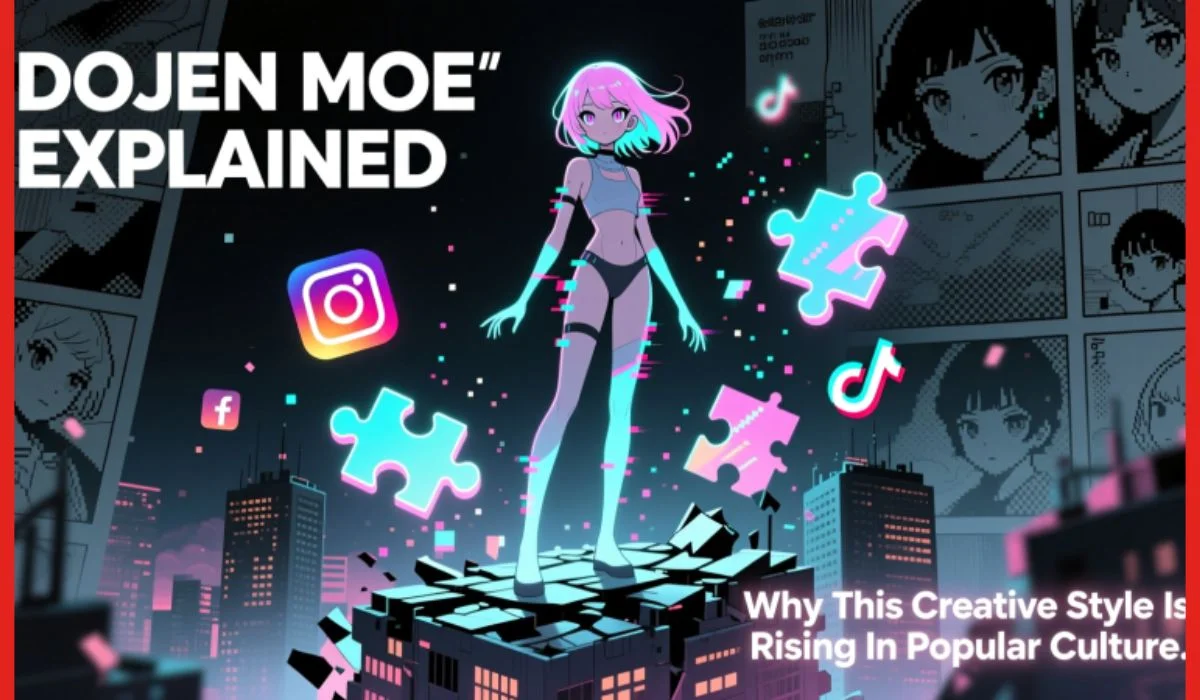
Dojen Moe stands out as a captivating blend of creativity and emotion in today’s anime landscape. This aesthetic draws fans in with its mix of self-published art and heartfelt charm. In 2026, it continues to rise, pulling in artists and viewers from around the world. Think of it as a fresh take on classic anime styles. It combines fan-made works with elements that spark warm feelings.
Many people discover it through online communities or social media shares. Its appeal lies in simple, endearing designs that feel personal and relatable. As digital tools advance, this style adapts and grows. This guide dives deep into what makes Dojen Moe special. You’ll learn its history, key features, and how to join in. By the end, you’ll see why it’s more than a trend. It’s a way for creators to express affection through art. Whether you’re new or a longtime fan, this ultimate guide offers fresh insights for 2026.
The world of anime aesthetics evolves quickly. It fits right into this shift. It started from humble beginnings in Japanese subculture. Now, it influences global digital art scenes. Fans love how it evokes nostalgia and innocence. In a busy digital age, such warmth stands out.
This guide aims to be your go-to resource. It covers everything from basics to advanced tips. Expect detailed explanations and practical advice. All written in clear, easy language. No jargon here just straightforward info to help you appreciate or create Dojen Moe pieces. As we move through each section, you’ll build a full understanding. Let’s start with where it all began.
The Origins and History of Dojen Moe
Dojen Moe traces its roots back to Japanese pop culture. The term merges “doujin,” meaning self-published works, with “moe,” a word for deep affection toward characters. This fusion happened in the early 2000s amid rising anime and manga fandoms. Artists began creating fan content that focused on cute, vulnerable traits. These elements stirred strong emotions in viewers. Early examples appeared in doujinshi, or fan-made comics, sold at events like Comiket in Japan. Moe as a concept grew from otaku culture. It described the rush of protectiveness fans felt for innocent characters. Over time, it evolved beyond niche circles.
By the 2010s, it spread online through platforms like Pixiv and DeviantArt. Creators shared illustrations that captured this essence. The style gained traction as anime went global. Shows with moe elements, like “K-On!” or “Lucky Star,” inspired more fan art. In recent years, social media boosted its visibility. Hashtags and challenges helped it reach new audiences. Now, in 2026, Dojen Moe reflects a digital renaissance. Advances in AI art tools make it easier to experiment. Yet, it stays true to its handmade roots. This history shows how a subculture turned into a worldwide phenomenon. It highlights creativity born from passion, not profit.
Understanding this background helps appreciate its depth. It isn’t just about looks. It’s tied to cultural shifts in how we consume media. In Japan, it linked to the rise of idol culture and virtual YouTubers. Fans created content that extended official stories. This DIY spirit empowered many. Globally, it adapted to local tastes. Western artists added their twists, blending it with cartoon styles.
By 2020, conventions featured Dojen Moe panels. Online forums discussed its impact on mental health, as its comforting vibes offered escape. Fast forward to today. Economic changes and remote work fuel more home-based creation. It thrives in this environment. It encourages self-expression without barriers. This evolution keeps it fresh and relevant.
Key Characteristics
Dojen Moe shines through its unique visual and emotional traits. At its core, characters often have large, expressive eyes. These draw viewers in with innocence and vulnerability. Soft color palettes dominatepastels like pink, blue, and white create a dreamy feel. Hairstyles feature curls, ribbons, or ponytails for added cuteness. Outfits lean toward frilly dresses or school uniforms, evoking nostalgia. Backgrounds stay simple to focus on the subject. Emotional depth comes from poses that show shyness or joy. This setup sparks moe feelings, or that warm affection.
Unlike bold action styles, Dojen Moe prioritizes subtlety. Small details, like blushing cheeks or tiny accessories, add charm. The overall vibe feels light and uplifting. In digital formats, artists use layers for glow effects. This enhances the ethereal quality. Themes often include everyday slice-of-life moments. Think a character sipping tea or reading a book. These relatable scenes build connection. It avoids complexity. It favors clean lines and balanced compositions. This makes it accessible for beginners to try.
Beyond visuals, the aesthetic taps into psychology. It evokes protectiveness, similar to how we feel toward pets or kids. This emotional pull keeps fans engaged. In 2026, variations include hybrid styles. Some mix it with cyberpunk for contrast. Yet, core elements remain. Large heads on small bodies create chibi-like appeal. Expressions range from wide smiles to pouts.
Each conveys personality without words. Color theory plays a big role. Warm tones suggest happiness; cool ones add melancholy. Artists experiment but stay true to the moe essence. This flexibility allows it to fit various genres. From fantasy to romance, it adapts well. Understanding these traits helps spot it in art or media.
Influential Artists and Works
Several creators have pushed Dojen Moe forward. Take artists like those on Pixiv, where user-generated content thrives. One standout is the community around moe-inspired illustrations. Works like fan art from “Azumanga Daioh” set early standards. These showed how simple designs could evoke strong emotions. Modern influencers include digital painters who stream their process. They share tips on capturing that perfect blush or eye sparkle.
In mainstream media, series like “Non Non Biyori” embody the style. Their rural settings and cute characters amplify the charm. Fan doujinshi extend these worlds, adding personal stories. Global artists adapt it too. Western creators blend it with Disney influences for unique hybrids. Books and tutorials on anime drawing often feature Dojen sections. These resources inspire new generations. Events like Anime Expo highlight panels on this aesthetic. Attendees share portfolios and collaborate.
In 2026, VR experiences let users interact with Dojen Moe characters. This immersion deepens fandom. Key works include viral illustrations that rack up likes on social media. They often feature seasonal themes, like cherry blossoms or winter coziness.
These influencers build communities. They host challenges where fans recreate styles. This keeps the aesthetic alive and evolving. Notable figures might not be household names, but their impact shows in trending tags. Their works sell as prints or merch, supporting indie creators. It owes much to this collaborative spirit. It turns passive viewers into active participants.
Current Trends and Innovations
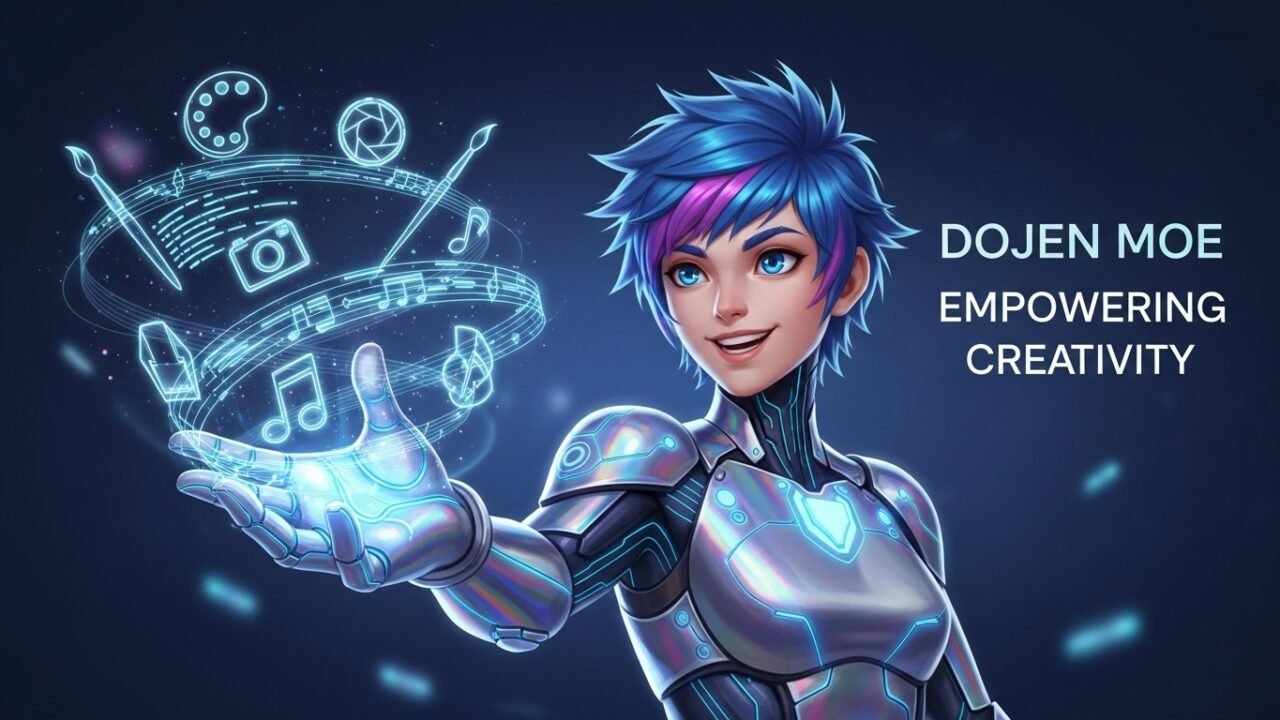
In 2026, Dojen Moe embraces new tech. AI tools like Stable Diffusion help generate base sketches. Artists refine them for personal touch. This speeds up creation without losing soul. Social platforms see more AR filters mimicking the style. Users apply large eyes or pastel overlays to selfies. Global collaborations rise too. Artists from different countries mix cultural elements. Think Dojen with Latin American motifs. Sustainability themes emerge in content.
Characters promote eco-friendly habits in cute ways. Streaming services feature more series with this aesthetic. Short-form videos on TikTok boost visibility. Challenges encourage quick draws. Metaverse spaces host virtual galleries. Fans explore Dojen Moe worlds in 3D. This interactivity draws younger crowds. E-commerce sells custom merch, like phone cases with designs. Trends lean toward inclusivity. Diverse body types and backgrounds appear more. This broadens appeal. Economic shifts make freelance art viable. Many turn hobbies into careers via Patreon. It fits this gig economy well.
Innovations include haptic feedback in apps. Users feel “warmth” from virtual characters. This enhances emotional bonds. Podcasts discuss its cultural impact. Experts predict growth in education, like art classes using it. Overall, 2026 marks a peak in accessibility and creativity.
How to Create Your Own Dojen Moe Art
Starting with Dojen Moe art is straightforward. Gather basic tools: a tablet, software like Clip Studio Paint, and reference images. Begin with sketches. Draw a large head with big eyes. Add soft features like rounded cheeks. Focus on expressions practice smiles and pouts. Choose a color scheme. Use pastels for that dreamy look. Layer shades for depth. Add details: ribbons, freckles, or accessories. Keep backgrounds minimal. A gradient sky works well. Experiment with poses. Show characters in relaxed states. Refine lines for cleanliness.
Digital brushes mimic traditional ink. Save versions to track progress. Share online for feedback. Join forums like Reddit’s r/MoeArt. Tutorials on YouTube guide specifics. Practice daily to improve. Avoid overcomplicating simplicity is key. For advanced steps, incorporate lighting. Soft glows add magic. Study anatomy lightly; exaggeration is fine here. Sell prints if confident. This process builds skills over time.
Troubleshoot common issues. If eyes look off, measure proportions. Use grids for symmetry. Colors clash? Test palettes first. Motivation dips? Join challenges. Resources abound in 2026. Free apps lower entry barriers. Remember, fun drives creation.
The Dojen Moe Community and Fandom
The Dojen Moe community thrives online. Platforms like Twitter and Discord host discussions. Fans share art, theories, and memes. Conventions bring people together. Booths sell doujinshi and host meetups. Fandom builds bonds through shared passion. Role-playing groups act out characters. Fanfiction extends stories with moe twists. Inclusivity grows. Groups welcome all skill levels. Mentorship programs help newcomers.
Global events connect distant fans. Virtual cons use Zoom for panels. Merch trades foster economy. Stickers, keychains, and posters are popular. Debates on ethics keep things thoughtful. Like avoiding stereotypes. Positive vibes dominate. Encouragement flows freely. In 2026, AI moderators maintain safe spaces. This community turns solitary art into social joy.
Engagement peaks during holidays. Themed art floods feeds. Collaborations spark innovation. Overall, it’s a supportive hub for growth.
Challenges and Criticisms
Dojen Moe faces hurdles. Critics say it promotes unrealistic ideals. Cute overload can seem childish. Over-commercialization dilutes purity. Fan works sometimes cross into appropriation. Accessibility issues arise for non-digital artists. Mental health concerns: escapism vs. reality. In 2026, debates on AI ethics heat up. Does it steal jobs? Balance is key. Address by diversifying representations. Educate on healthy consumption. Communities self-regulate. This keeps the aesthetic positive.
Conclusion
Dojen Moe captures hearts with its blend of charm and creativity. This guide covered its history, traits, and future. In 2026, it promises more innovation. Dive in and create. The world needs your unique take.
For more information, you might read: ehi-vuoi-da-bere
FAQs
1. What is Dojen Moe?
It is a style in anime art that mixes fan-made works with cute, affectionate character designs.
2 How did it start?
It began in Japanese anime culture, combining self-published art and feelings of warmth toward innocent characters.
3. What makes Dojen Moe art stand out?
Large eyes, soft colors, and simple poses create an endearing, emotional appeal.
4. Can beginners try Dojen?
Yes, start with basic drawing tools and practice cute expressions for quick results.
5. Where can I find Moe communities?
Look on social media like Twitter or forums dedicated to anime fans for sharing and support.

One thought on “Dojen Moe 2026 Ultimate Guide to the Rising Anime Aesthetic”